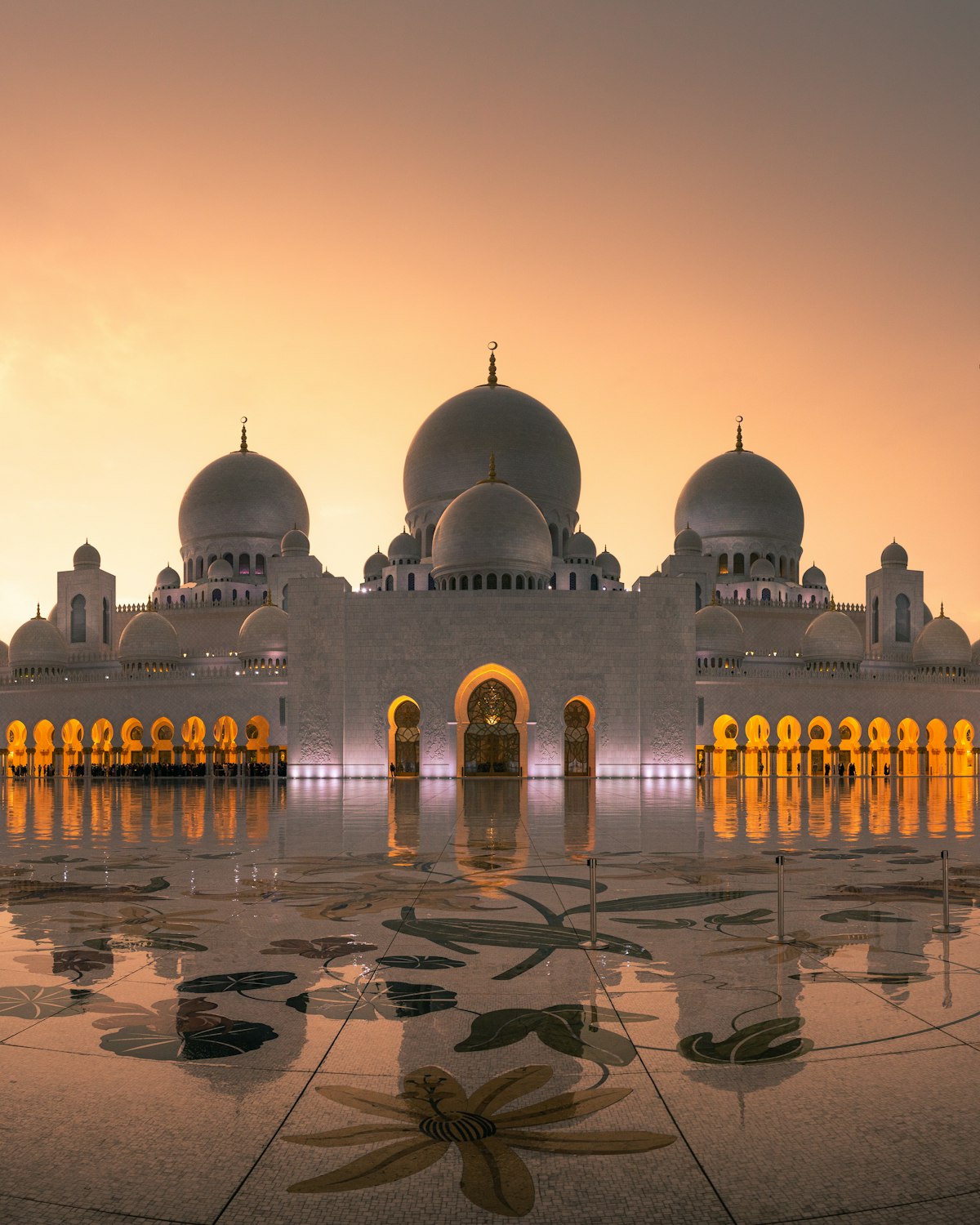
Zakat is one of the Five Pillars of Islam and one of the most important acts of worship a Muslim can perform. It is an obligatory annual payment — a form of purification of wealth — that every eligible Muslim must give to those in need. For UK Muslims, understanding Zakat is essential not only as a religious duty but as a means of strengthening our communities and alleviating poverty worldwide.
What Is Zakat?
Zakat (Arabic: زكاة) literally means “purification” and “growth”. It refers to the obligatory annual charity that every adult Muslim must pay if they meet the minimum threshold of wealth, known as the Nisab. Zakat purifies one’s remaining wealth and helps redistribute resources within the Muslim community.
Who Must Pay Zakat?
Zakat is obligatory upon every Muslim who meets all of the following conditions:
- They are an adult (has reached puberty)
- They are of sound mind
- They are a free person (not enslaved)
- They own wealth above the Nisab threshold
- Their wealth has been held for one full lunar year (Hawl)
What Is the Nisab Threshold?
The Nisab is the minimum amount of wealth a Muslim must possess before Zakat becomes obligatory. It is based on the value of either gold or silver:
- Gold Nisab: Equivalent to 87.48 grams of gold
- Silver Nisab: Equivalent to 612.36 grams of silver
Most UK Islamic scholars recommend using the silver Nisab as it is lower and therefore more inclusive, ensuring more people fulfil their obligation. You should check the current gold and silver prices in British pounds to calculate your own Nisab.
How Much Zakat Do You Pay?
The standard rate of Zakat is 2.5% of your total eligible wealth. This includes cash savings, gold and silver, business stock, shares, and money owed to you. It does not include your home, car, or personal belongings used for everyday living.
What Wealth Is Subject to Zakat?
The following types of wealth are subject to Zakat:
- Cash savings (in bank accounts or at home)
- Gold and silver jewellery (above personal use)
- Business inventory and stock
- Shares and investments
- Money owed to you that you expect to be repaid
- Property purchased for investment purposes
Who Can Receive Zakat?
The Quran (9:60) specifies eight categories of people who are eligible to receive Zakat:
- The poor (Al-Fuqara)
- The needy (Al-Masakin)
- Zakat administrators
- Those whose hearts are to be reconciled
- Those in bondage (to free enslaved people)
- Those in debt (Al-Gharimin)
- In the cause of Allah (Fi Sabilillah)
- Travellers in need (Ibn Al-Sabil)
When Should You Pay Zakat?
Zakat becomes due once a full lunar year has passed on your Nisab-level wealth. Many UK Muslims choose to pay their Zakat during Ramadan as the rewards for good deeds are multiplied. However, Zakat can be paid at any time of year — the key requirement is that your wealth has been held above the Nisab for twelve lunar months.
How to Calculate Your Zakat in the UK
To calculate your Zakat, follow these steps:
- Add up all your eligible assets (savings, gold, silver, investments, business stock)
- Subtract any immediate debts or liabilities you owe
- Check whether the remaining total exceeds the current Nisab value in GBP
- If it does, pay 2.5% of that total as Zakat
The Difference Between Zakat and Sadaqah
Zakat is obligatory — it is a pillar of Islam and must be paid by all eligible Muslims. Sadaqah, on the other hand, is voluntary charity given out of generosity at any time. Both carry great spiritual rewards, but Zakat carries a religious obligation that, if neglected, is a serious sin.
Paying Zakat in the UK
UK Muslims can fulfil their Zakat obligation through a number of trusted Islamic charities and organisations, including Islamic Relief UK, National Zakat Foundation (NZF), Muslim Hands, and Human Appeal. The National Zakat Foundation in particular distributes Zakat locally to Muslims in need across the United Kingdom.
Conclusion
Zakat is far more than a financial transaction — it is an act of worship, a means of purification, and a pillar that holds the Muslim community together. By paying Zakat, you fulfil one of Islam’s most important obligations, purify your wealth, and provide vital support to those who need it most. Calculate your Zakat today and play your part in building a more just and compassionate world.