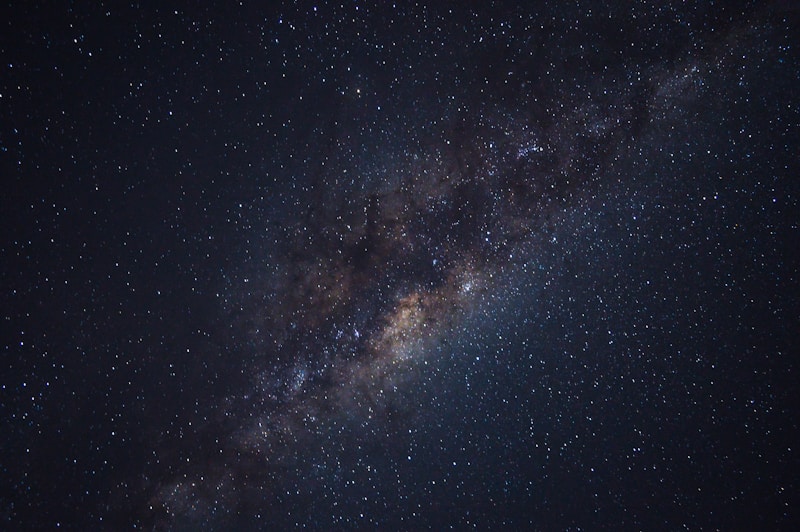
Laylatul Qadr – the Night of Power or Night of Decree – is the most significant night in the Islamic calendar. It falls within the last ten nights of the holy month of Ramadan and is described in the Quran as being better than a thousand months. For Muslims, seeking Laylatul Qadr is one of the greatest spiritual opportunities of the entire year.
To fully appreciate the importance of this night, it helps to first understand what Ramadan means in Islam and the obligations of fasting during Ramadan (Sawm).
What is Laylatul Qadr?
Laylatul Qadr is the night upon which the first verses of the Holy Quran were revealed to the Prophet Muhammad (PBUH) through the Angel Jibreel (AS). Allah (SWT) has dedicated an entire Surah to this night – Surah Al-Qadr (Chapter 97) – which describes its extraordinary significance.
The Quran on Laylatul Qadr
Allah (SWT) says in Surah Al-Qadr (97:1–5):
“Verily, We sent it (the Quran) down on the Night of Power. And what will make you know what the Night of Power is? The Night of Power is better than a thousand months. Therein descend the angels and the Ruh (Jibreel) by Allah’s permission with all decrees. There is peace until the appearance of dawn.”
When Does Laylatul Qadr Occur?
The exact date of Laylatul Qadr is not definitively known, which scholars say is a mercy from Allah – as it encourages Muslims to worship intensely throughout the final ten nights of Ramadan rather than on just one specific night. The Prophet Muhammad (PBUH) said:
“Seek Laylatul Qadr in the odd nights of the last ten days of Ramadan.” (Bukhari)
The odd nights of the last ten nights are the 21st, 23rd, 25th, 27th, and 29th nights of Ramadan. The 27th night is widely considered by many scholars to be the most likely night, though this is not confirmed.
What Happens on Laylatul Qadr?
On this blessed night, the angels and Jibreel (AS) descend to the earth with all the decrees for the coming year. These include every person’s provision (rizq), lifespan, and events that will occur. The night is filled with peace and mercy from the time of sunset until the break of dawn.
Signs of Laylatul Qadr
Scholars have mentioned several signs associated with Laylatul Qadr:
- The night is described as serene, peaceful, and mild – neither too hot nor too cold
- The sun on the following morning rises without strong rays (appearing disc-like and pale)
- Muslims may experience a sense of extraordinary spiritual peace and tranquillity during the night
- Increased rainfall has been reported in some narrations
How to Make the Most of Laylatul Qadr
The Prophet Muhammad (PBUH) used to strive in worship during the last ten nights of Ramadan in a manner he did not exert at any other time. Recommended acts of worship on these nights include:
- Qiyam al-Layl: Performing additional night prayers (Tahajjud) and Taraweeh
- Recitation of the Quran: Increasing recitation and reflection upon the words of Allah
- Du’a and Dhikr: Engaging in abundant supplication and remembrance of Allah
- I’tikaf: Remaining in the mosque for worship during the final ten nights
- Istighfar: Seeking forgiveness from Allah sincerely
- Giving in charity: Increasing Sadaqah and giving Zakat al-Fitr before Eid
The Dua for Laylatul Qadr
Aisha (RA) asked the Prophet Muhammad (PBUH): “O Messenger of Allah, if I know which night is Laylatul Qadr, what should I say during it?” He (PBUH) replied:
“Say: Allahumma innaka ‘afuwwun tuhibbul ‘afwa fa’fu ‘anni.”
Translation: “O Allah, You are the Pardoner and You love to pardon, so pardon me.”
(Tirmidhi – graded as Hasan Sahih)
This is the most recommended du’a to recite during Laylatul Qadr and throughout the last ten nights of Ramadan.
I’tikaf During the Last Ten Nights
I’tikaf is a spiritual retreat in the mosque, particularly recommended during the last ten nights of Ramadan. The Prophet Muhammad (PBUH) observed I’tikaf every year during the last ten days of Ramadan. During I’tikaf, the person dedicates themselves entirely to worship – praying, reciting Quran, making du’a, and seeking Laylatul Qadr.
Ramadan and the Quran
The revelation of the Quran on Laylatul Qadr is a reminder of the deep connection between Ramadan and the Holy Quran. Muslims are encouraged to increase their recitation during Ramadan. For a deeper understanding of the Quran, read our guide to Surah Al-Fatiha: The Opening Chapter of the Quran.
Conclusion
Laylatul Qadr is a night of unparallelled blessing, mercy, and spiritual elevation. Every Muslim should strive to seek this night by worshipping earnestly throughout the final ten nights of Ramadan. May Allah (SWT) grant us all the opportunity to witness Laylatul Qadr, accept our worship, and forgive our sins. Ameen.
Further Reading:
1 thought on “Laylatul Qadr: The Night of Power – Significance, Signs & Duas”