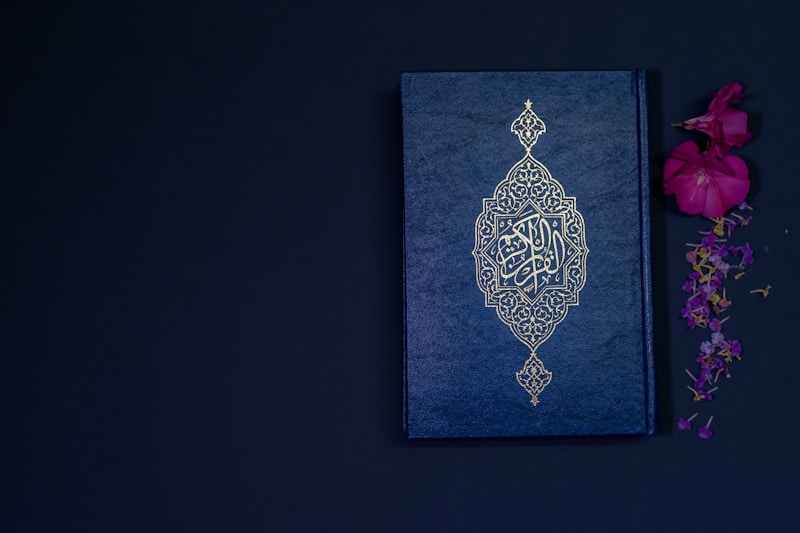
Fasting during the holy month of Ramadan is one of the Five Pillars of Islam and one of the most spiritually significant acts of worship a Muslim can perform. Known in Arabic as Sawm (صوم), fasting in Ramadan is obligatory upon every adult Muslim who is physically and mentally able. It is a time of deep reflection, increased devotion, and spiritual renewal.
To understand the full context of why Ramadan is so special in Islam, read our guide: What is Ramadan? The Significance of the Holy Month of Fasting.
What Does Fasting in Ramadan Involve?
The fast of Ramadan requires Muslims to abstain completely from the following from the time of Fajr (pre-dawn prayer) until Maghrib (sunset prayer):
- Eating and drinking (including water)
- Smoking and vaping
- Marital relations
- Any deliberate act that invalidates the fast
The fast begins with the Suhoor meal (the pre-dawn meal, eaten before Fajr) and ends with Iftar (the breaking of the fast at Maghrib time, traditionally with dates and water).
The Quranic Basis for Fasting
Allah (SWT) commands fasting in the Holy Quran in Surah Al-Baqarah (2:183):
“O you who have believed, decreed upon you is fasting as it was decreed upon those before you that you may become righteous.”
This verse establishes that fasting is not unique to the Muslims of this Ummah — it was prescribed to the nations before us as well. The primary purpose of Sawm is to attain Taqwa (God-consciousness and righteousness).
Who Must Fast in Ramadan?
Fasting is obligatory (Fard) for every Muslim who meets the following conditions:
- Has reached the age of puberty (Buloogh)
- Is of sound mind
- Is in good physical health
- Is not travelling
- Is not a woman in her menstrual cycle or post-natal bleeding
Who is Exempt from Fasting?
Islam is a religion of ease and does not burden the soul beyond its capacity. The following categories of people are exempt from fasting:
- The elderly who are physically incapable
- The chronically ill for whom fasting poses a genuine health risk
- Pregnant and breastfeeding women if there is concern for their health or the baby’s
- Travellers on a journey of 48 miles (77 km) or more
- Women during menstruation or post-natal bleeding
Those who miss fasts must make them up (Qada) after Ramadan. Those who are permanently unable to fast may pay Fidya (a charitable payment) instead. Those who deliberately break a fast without a valid reason may need to pay Kaffarah (a more significant expiation).
What Breaks the Fast (Mufassidat al-Sawm)?
The following actions invalidate the fast:
- Eating or drinking intentionally
- Smoking
- Engaging in marital relations during the fasting hours
- Intentional vomiting
- Taking injections intended for nourishment
Note: Accidentally eating or drinking does not invalidate the fast. The Prophet Muhammad (PBUH) said: “Whoever forgets he is fasting and eats or drinks, let him complete his fast, for it is Allah who fed him and gave him drink.” (Bukhari and Muslim).
The Spiritual Virtues of Fasting
The spiritual rewards of fasting in Ramadan are immense. The Prophet Muhammad (PBUH) said: “Every action of the son of Adam is multiplied — a good deed receives a tenfold to seven-hundredfold reward. Allah (SWT) says: ‘Fasting is an exception — it is for Me and I shall reward it Myself. He gives up his desire and food for My sake.'” (Muslim).
Additional spiritual practices during Ramadan include:
- Taraweeh: Optional night prayers performed after Isha throughout Ramadan
- Increased Quran recitation: Many Muslims aim to complete the full Quran during Ramadan
- I’tikaf: A spiritual retreat in the mosque during the final ten nights
- Seeking Laylatul Qadr: The Night of Power, which is better than a thousand months
Read our in-depth guide on Laylatul Qadr: The Night of Power to make the most of the final ten nights of Ramadan.
Suhoor: The Blessed Pre-Dawn Meal
Suhoor is the meal eaten before the Fajr prayer. The Prophet Muhammad (PBUH) said: “Eat Suhoor, for in Suhoor there is blessing (barakah).” (Bukhari and Muslim). While Suhoor is not obligatory, it is a highly recommended Sunnah. It helps sustain the body throughout the day and is an act of worship in itself.
It is recommended to delay Suhoor as close to the Fajr time as possible and to break the fast promptly at Maghrib.
Iftar: Breaking the Fast
Iftar is the meal with which the fast is broken at Maghrib time. The Prophet (PBUH) said: “The people will remain in good condition as long as they hasten to break the fast.” (Bukhari). It is Sunnah to break the fast with fresh dates or water before performing the Maghrib prayer.
The du’a (supplication) for breaking the fast is: Allahumma inni laka sumtu wa bika amantu wa alayka tawakkaltu wa ala rizqika aftartu — “O Allah, I fasted for You and I believe in You and I put my trust in You and I break my fast with Your provision.”
Zakat al-Fitr: Charity at the End of Ramadan
One of the most important obligations connected to Ramadan is Zakat al-Fitr — a charitable payment that every Muslim must give before the Eid al-Fitr prayer. It purifies the fast and ensures that the poor are also able to celebrate Eid. To understand more about Zakat in Islam, read our Complete Guide to Zakat.
Ramadan and the Five Pillars of Islam
Fasting (Sawm) is the fourth of the Five Pillars of Islam. Each pillar reinforces the others. During Ramadan, Muslims also give Zakat in increased amounts, pray five daily prayers (Salah), recite the Quran, and strengthen their Shahada (declaration of faith).
Conclusion
Fasting in Ramadan is far more than an act of abstaining from food and drink. It is a comprehensive spiritual exercise that develops Taqwa, builds community, and brings the believer closer to Allah (SWT). May Allah (SWT) grant us the ability to fast Ramadan with sincerity, accept our fasts, and forgive all our sins. Ameen.
Further Reading:
3 thoughts on “The Complete Guide to Fasting in Ramadan (Sawm)”